
Customer Vulnerability Management: Turning Regulatory Compliance into a Growth Opportunity for Financial Advisers
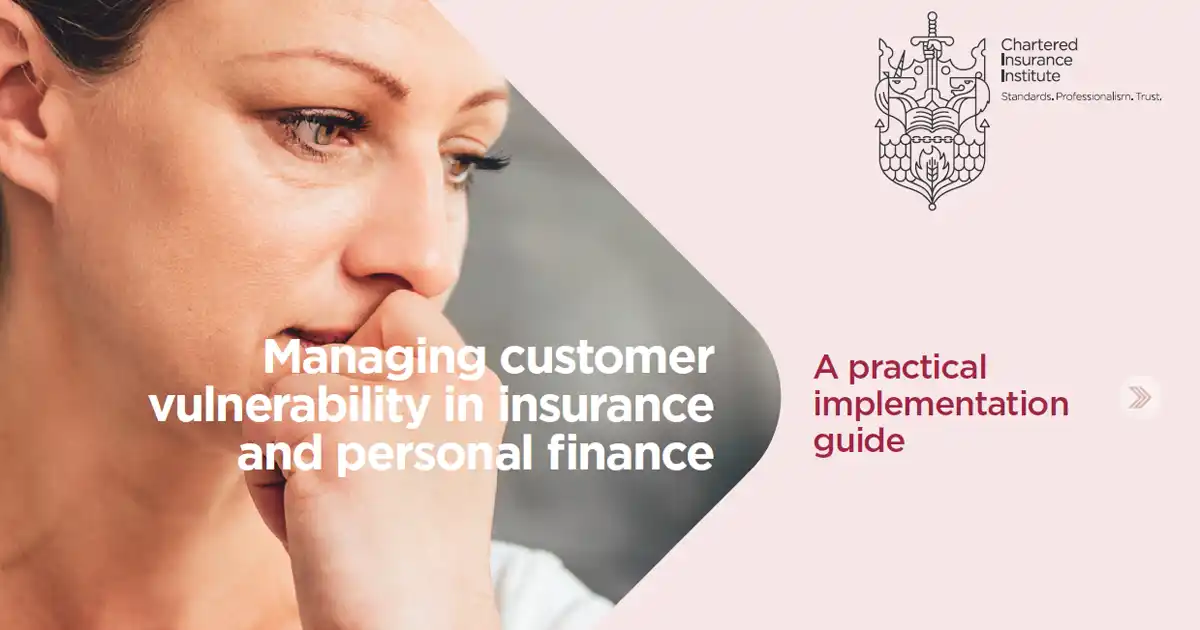
The Chartered Insurance Institute (CII) has published comprehensive guidance on managing customer vulnerability in insurance and personal finance. For financial planning firms, this creates a significant opportunity to differentiate their practice, strengthen professional referral relationships, and demonstrate genuine client care that goes beyond tick-box compliance.
This article explores how advisers can translate vulnerability management into a compelling market position, with practical frameworks for client communication, professional partner engagement, and brand differentiation. For additional context on supporting vulnerable clients, advisers should also consider the broader regulatory landscape.
Understanding the Regulatory Landscape
According to the FCA’s Financial Lives survey, up to half of UK adults display characteristics of vulnerability at any given time. This is not a niche segment requiring specialist handling—it represents a significant proportion of every adviser’s client base and target market.
The FCA defines a vulnerable customer as someone who, due to their personal circumstances, is especially susceptible to harm, particularly when a firm is not acting with appropriate levels of care. This definition contains two critical components: the customer’s circumstances and their susceptibility to harm. Effective vulnerability management requires advisers to address both elements.
The Four Drivers of Vulnerability
The FCA organises customer vulnerability into four primary drivers, each requiring different identification approaches and support responses:
Health conditions encompass physical or mental health circumstances that reduce someone’s ability to manage everyday tasks or decision-making. These include long-term illness, physical disability, sensory impairment, mental health conditions, addictions, cognitive impairment, and progressive health conditions.
Life events represent major changes or shocks in someone’s personal life, such as bereavement, relationship breakdown, serious accidents, job loss, caring responsibilities, domestic abuse, or changes in family circumstances.
Low resilience describes a limited ability to absorb financial or emotional shocks, indicated by erratic income, over-indebtedness, minimal savings, or low emotional resilience.
Low capability involves gaps in the knowledge, confidence, or skills needed to understand information or make decisions, including limited numeracy or literacy, poor digital skills, or limited English language capability. Understanding how behavioural science applies to financial advice can help advisers better support clients in this category.
The Fifth Driver: Firm Behaviour
The CII guidance highlights a critical fifth area of vulnerability embedded within the FCA’s definition: when a firm is not acting with appropriate levels of care. This shifts accountability directly onto advice practices.
Consider this scenario: a customer discloses visual impairment to a broker and receives accessible documents from that broker. However, the broker fails to pass this information to the insurer, who then sends standard renewal documents that the customer cannot read. The customer who disclosed their needs and expected appropriate support becomes vulnerable to policy lapses due to the firm’s failure to share data effectively.
This recognition creates a powerful differentiator for advisers who can demonstrate systematic approaches to capturing, acting upon, and sharing vulnerability information throughout the client journey.
The Six-Step Vulnerability Management Framework
The CII guidance establishes a comprehensive framework that advisers can adapt to their practice size and client base. This framework moves beyond simple identification toward systematic management and outcome measurement.
Step One: Identify Customers in Vulnerable Circumstances
Effective identification requires adopting the perspective that all customers have an unknown vulnerability state until assessed. This philosophical shift recognises that any client could be experiencing vulnerable circumstances at any time.
Financial planners can employ both reactive and proactive identification approaches. Reactive identification relies on customer disclosure during conversations or when issues arise. Proactive identification involves systematic outreach, scheduled reviews, and data analysis to identify potential vulnerabilities before they cause harm.
The CII recommends a hybrid approach combining both methods. Proactive identification ensures all customers are assessed, whilst reactive identification captures changes in circumstances between scheduled reviews.
Step Two: Quantify the Scale and Circumstances
Understanding the nature and scale of vulnerability characteristics within your client base enables strategic planning and resource allocation. For smaller advice firms with direct client relationships, this quantification emerges naturally from individual client assessments aggregated over time.
Larger practices may supplement individual data with customer surveys or external research to understand broader patterns within their target market.
Step Three: Monitor Customers Over Time
Vulnerability exists on a spectrum, from mild to severe, and may be temporary, recurring, or permanent. Effective monitoring recognises this dynamic nature and adjusts review frequency accordingly.
For financial planners, annual reviews aligned with existing service cycles provide a natural monitoring opportunity, supplemented by ad-hoc reviews triggered by significant life events such as divorce, bereavement, or redundancy.
Higher-risk situations warrant more frequent reviews. Clients in financial difficulty, making claims, or experiencing major life changes require closer attention than those with stable circumstances.
Step Four: Provide Appropriate Support
When poor outcomes are identified or customer vulnerabilities documented, firms should adapt their services accordingly. The CII distinguishes between two complementary approaches:
Inclusive design involves making products and services more usable for everyone, which may disproportionately benefit vulnerable clients. For advisers, this means using plain English in all communications, ensuring documents are clearly structured, and offering multiple communication channels.
Personalisation adapts services to meet a specific person’s identified needs. This might include providing documents in alternative formats, arranging meetings with appropriate support present, or adjusting communication timing and frequency.
Step Five: Adapt Products and Services
When monitoring identifies poor outcomes for particular client cohorts, advisers should investigate root causes and adjust their processes. This might involve enhancing identification procedures, improving support provision, or redesigning how particular services are delivered.
Step Six: Report on Outcomes
Consumer Duty requires firms to demonstrate that outcomes for vulnerable customer cohorts are as good as those for non-vulnerable groups. For advice practices, this means tracking and comparing outcomes across different client segments, identifying gaps, and evidencing the actions taken to address them. Firms seeking support with Consumer Duty compliance should consider how vulnerability management integrates with broader regulatory obligations.
Distinguishing Customer Experience from Customer Outcomes
The CII guidance introduces the Edmonds Experience versus Outcome Matrix, which helps advisers distinguish between service satisfaction and genuine client outcomes. This framework reveals four distinct scenarios:
Perfect match describes clients who receive both a good experience and a good outcome. The advice process runs smoothly with empathetic communication, and the client achieves their financial objectives.
Superficial satisfaction occurs when clients have a good experience but poor outcome. They may enjoy excellent service from their adviser but end up with unsuitable products or pay more than necessary. These clients may not realise they have experienced a poor outcome.
Painful satisfaction describes clients who achieve good outcomes despite poor experience. Their investments perform well, but they experienced poor communication or administrative difficulties along the way.
Double trouble represents clients suffering both poor experience and poor outcomes—the scenario every adviser must work to prevent.
This framework helps advisers avoid the trap of measuring only client satisfaction scores, which can mask poor outcomes hidden behind positive service interactions. A client may rate their adviser highly whilst holding unsuitable investments because they lack the expertise to evaluate the advice received. Developing a comprehensive client experience strategy requires distinguishing between these different outcome scenarios.
Practical Implementation: Case Study Approach
The CII guidance includes detailed case studies that advisers can use to template their own client success stories. One particularly instructive example involves trauma-informed handling of major life events.
Example: Bereavement Support in Practice
Consider a client who approaches their financial planner after their spouse has died, seeking help managing pension arrangements they have never previously handled.
Assessing severity: The adviser evaluates the client using a vulnerability assessment approach. A newly bereaved individual in their late 70s, visibly distressed, with no prior experience managing finances, represents high severity due to both emotional and capability vulnerabilities. A bereaved client with established investment experience would rate lower on the spectrum.
Tailoring support: For high-severity vulnerability, appropriate approaches might include priority face-to-face appointments with extended time, plain language communication at a slower pace, the option to have a family member present, and scheduled check-ins after several months. Lower-severity clients might receive digital resources, a comprehensive single meeting, and routine follow-up.
This approach demonstrates the practical application of vulnerability assessment in an advice context, providing a template that firms can adapt for their own client communications and marketing case studies.
Developing Empathetic Questioning Frameworks
Clients typically respond positively to empathetic questioning and are more likely to share personal information when proactively engaged and when they understand how and why their information will be used.
The CII guidance emphasises several principles for effective questioning:
Do not expect clients to volunteer information. Many people with vulnerabilities have developed coping strategies that make their circumstances less visible. Proactive, sensitive questioning uncovers needs that passive approaches miss.
Explain why information is required and how it benefits the client. Frame requests around improved service delivery rather than compliance requirements.
Detail the extent of topics covered. Let clients know what areas you will discuss so they can prepare mentally.
Explain how personal data is managed. Clear privacy assurances encourage disclosure.
The guidance specifically advises moving beyond blunt questions such as “are you vulnerable?” Instead, advisers should use open, layered questions that encourage disclosure and enable genuine conversation.
Example prompts for annual reviews include: “Are there any particular needs or recent changes in your circumstances you would like to make us aware of?” or “Sometimes things like health issues or changes at work can make managing finances tricky. We have support options available, so please let me know if anything like that could help you.”
Marketing Your Vulnerability Capability
Understanding vulnerability management creates the foundation, but translating that capability into market differentiation requires strategic content creation and communication.
Website Messaging That Signals Capability
Your website provides the first opportunity to demonstrate vulnerability awareness. Consider incorporating messaging that addresses common client concerns:
Messaging around accessibility might include: “We communicate in the way that works best for you. Whether you prefer large print documents, video calls, or face-to-face meetings with family members present, we adapt our service to your circumstances.”
Messaging around life transitions might include: “Major life changes—bereavement, divorce, redundancy, health challenges—require sensitive financial guidance. Our team is trained to provide appropriate support during difficult times, giving you space to make considered decisions without pressure.”
This type of brand positioning communicates capability without making vulnerability management feel clinical or compliance-driven.
Strengthening Professional Referral Relationships
For many advice practices, referrals from solicitors, accountants, and other professionals represent a significant growth channel. Vulnerability management provides compelling differentiation in these relationships.
Professional introducers increasingly face their own regulatory expectations around client welfare. A solicitor handling estate administration, for example, encounters bereaved clients who need financial guidance but may be emotionally vulnerable. An accountant advising a business owner facing redundancy recognises their client needs pension advice but worries about their decision-making capacity under stress.
These professionals want to refer clients to advisers who will handle vulnerable situations appropriately. Demonstrating systematic vulnerability management—through documented processes, trained staff, and evidenced outcomes—provides reassurance that supports referral confidence.
Building Professional Partner Content
Consider developing specific content for professional partners that demonstrates your vulnerability capability:
One-page guides for solicitors outlining how you support bereaved clients, including your bereavement support protocol, communication adjustments, and timeline flexibility.
Case studies (anonymised and appropriately consented) showing positive outcomes for clients referred during difficult circumstances.
Training session offers to share vulnerability awareness with professional partner staff, positioning your firm as a thought leader whilst building relationship depth.
Co-branded client resources on topics like financial decision-making during divorce or managing money after a bereavement, providing useful content that partners can share with their own clients.
Client Communication During Vulnerable Moments
The CII guidance emphasises the importance of “moments of truth”—points in the client journey where circumstances are most likely to change or where clients may need additional support.
For financial advisers, these moments include initial onboarding, annual reviews, life events (marriage, divorce, bereavement, birth of children, retirement), market volatility periods, and health changes affecting capacity.
Developing structured communication protocols for these moments demonstrates both care and competence. Email marketing sequences triggered by life events can provide timely, appropriate support whilst reinforcing your practice’s capability.
Addressing Common Client Concerns
The CII guidance includes a myth-busting appendix that addresses real objections firms encounter. Translating these into client-facing communications creates authentic, trust-building content.
“My adviser already knows me”: Even long-standing adviser relationships may not have uncovered all relevant circumstances. Proactive vulnerability assessment ensures comprehensive understanding, whilst systematic recording enables consistent service delivery regardless of which team member a client speaks with.
“I do not want to be labelled vulnerable”: The purpose of vulnerability assessment is not to apply labels but to understand circumstances and provide appropriate support. Advisers should position this as understanding client needs rather than categorising clients.
“I am worried about discrimination”: Information shared helps advisers provide better service, not restrict access. Proper data handling ensures information is used appropriately and protected accordingly.
Developing testimonial content that addresses these concerns through client voices provides powerful social proof of your vulnerability capability.
Measuring and Reporting Outcomes
Consumer Duty requires evidence that vulnerable clients achieve outcomes as good as non-vulnerable clients. For advice practices, this means developing tracking and analytics systems that can segment outcomes by vulnerability status.
Practical outcome measures for financial planners might include:
Advice suitability: Are product recommendations appropriate for client circumstances, and does this remain consistent across vulnerability cohorts?
Client understanding: Do clients with low financial capability demonstrate appropriate understanding of recommendations before proceeding?
Outcome achievement: Are financial goals being met at equivalent rates across different client segments?
Service access: Do clients with accessibility needs successfully access services, or do they disengage due to barriers?
Complaint patterns: Are complaints concentrated in particular vulnerability cohorts, suggesting systematic support failures?
Implementing client feedback systems that segment responses by vulnerability status enables ongoing monitoring and improvement.
Tracking these measures creates both compliance evidence and marketing proof points. Demonstrating measurable outcomes for vulnerable clients provides compelling differentiation.
Implementation for Different Practice Sizes
The CII guidance recognises that vulnerability management must be proportionate to firm size and complexity.
Sole Practitioners and Small Firms
Small advice practices benefit from direct client relationships that facilitate personalised vulnerability assessment. The primary challenge is systematic recording and monitoring.
Practical steps include developing a simple vulnerability assessment protocol for new client meetings, adding vulnerability review to annual meeting agendas, creating template questions for common scenarios, and maintaining structured records that support outcome tracking over time.
Medium-Sized Practices
Firms with multiple advisers need consistent approaches across the team. Key considerations include developing firm-wide vulnerability policies and training, implementing CRM systems that capture vulnerability data systematically, creating escalation protocols for complex cases, and ensuring knowledge transfer when clients change advisers.
Larger Firms and Networks
Larger organisations can invest in more sophisticated systems and specialist resources. The CII guidance recommends considering dedicated vulnerability champions or specialist teams, automated monitoring systems that flag vulnerability indicators, structured data sharing with product providers and other value chain participants, and comprehensive outcome reporting by vulnerability cohort.
Value Chain Considerations
For financial advisers, vulnerability management extends beyond direct client relationships. The CII guidance emphasises the importance of sharing relevant information between firms in the value chain.
When advisers identify client vulnerabilities, this information should flow to product providers to ensure appropriate ongoing service. A client who needs large-print documents from their adviser also needs them from their platform provider and fund manager.
Effective data sharing requires structured approaches. The CII recommends standardised fields that map between systems, enabling vulnerability information to trigger appropriate accommodations throughout the product lifecycle.
Advisers who demonstrate systematic approaches to value chain data sharing differentiate themselves to product providers and platforms, potentially opening preferential access and partnership opportunities.
Creating a Disclosure-Friendly Environment
The CII guidance emphasises that clients are more likely to share personal information when they understand the value exchange—what benefit they receive in return for disclosure.
Financial advisers should communicate that better understanding of circumstances leads to more appropriate advice, that early identification prevents problems during difficult times, that information sharing improves service from all firms in the value chain, and that proper data handling protects privacy whilst enabling support.
Practical approaches to encouraging disclosure include explaining why questions are asked and how answers will be used, providing multiple disclosure channels (face-to-face, telephone, digital forms), ensuring initial disclosures are acknowledged and acted upon, and following up appropriately without creating burden.
Building Your Vulnerability Marketing Strategy
Translating vulnerability management capability into market differentiation requires systematic approach across multiple channels.
Content Strategy
Develop thought leadership content that demonstrates vulnerability awareness without being preachy or compliance-focused. Topics might include practical guides for clients facing specific life transitions, educational content about what good financial advice looks like during difficult times, and perspective pieces on the evolving regulatory landscape and client protection.
Professional Network Engagement
Position vulnerability management as a conversation starter with professional partners. Offer educational sessions on vulnerability awareness, share relevant research and guidance documents, and discuss how collaborative approaches benefit shared clients.
Client Communication
Integrate vulnerability awareness into routine client communications. Annual review letters might reference the availability of additional support, market volatility communications might acknowledge emotional impact alongside financial analysis, and birthday or anniversary contacts might sensitively enquire about changed circumstances.
Team Development
Ensure all client-facing staff understand vulnerability management approaches. Training should cover identification, questioning techniques, support options, and escalation protocols. Confident teams deliver better client experiences.
Conclusion: Compliance as Competitive Advantage
Customer vulnerability management represents regulatory requirement and commercial opportunity. Firms that excel in this area demonstrate genuine client care that translates into stronger relationships, enhanced professional partner confidence, and measurable differentiation.
The CII guidance provides comprehensive frameworks for implementation, from identification through to outcome measurement. Financial advisers who translate this guidance into systematic practice—and communicate that capability effectively—position themselves for sustainable growth.
This is not simply compliance work. It is brand work that demonstrates values, builds trust, and creates genuine competitive advantage in an increasingly regulated market.
When clients and professional partners evaluate advice options, demonstrable capability in vulnerability management signals the kind of practice that delivers good outcomes in all circumstances—not just when everything is straightforward.
This article draws on the Chartered Insurance Institute’s guidance document Managing Customer Vulnerability in Insurance and Personal Finance: A Practical Implementation Guide, published in 2025. Financial advisers seeking detailed implementation frameworks, checklists, and case studies should refer to the full guidance document.
For support developing your vulnerability management marketing strategy, visit Aspina to discover how we can help translate your client care capability into market differentiation.


